
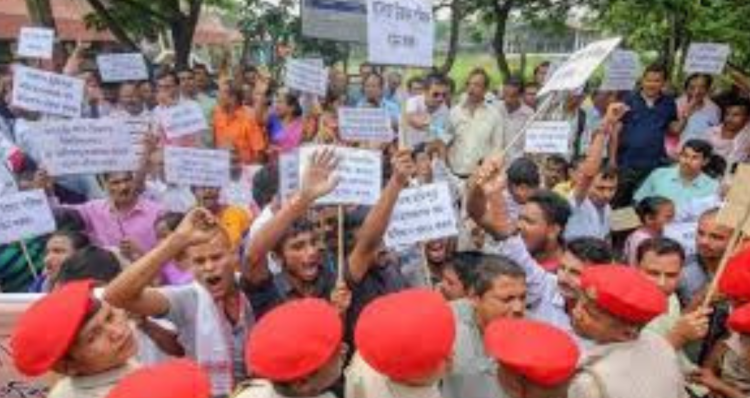
Assam Supports ST Status for Six Communities, Tribes Push Back
Dubai | February 3, 2026 | 16 | India , newsA recent India Today–CVoter Mood of the Nation (MOTN) survey, conducted in January 2026, finds that many people in Assam support granting Scheduled Tribe (ST) status to six communities. However, the proposal faces strong resistance from existing tribal groups, highlighting ongoing tensions over the issue.
The six communities seeking ST status are: Tai Ahom, Koch-Rajbongshi, Chutia, Moran, Matak, and Tea Tribes. These groups have long demanded recognition and access to constitutional protections.
Public Support Remains Significant
Nearly Half Favor ST Inclusion
The survey shows that 45.2% of respondents support giving ST status to these communities. Many see the move as a way to correct historical marginalization, recognize cultural identity, and expand access to education and job reservations.
Support indicates that a large portion of Assam’s population views the measure as promoting social justice and political inclusion.
Existing ST Communities Raise Strong Concerns
Fear of Losing Benefits
Among existing Scheduled Tribes, 47.9% oppose the proposal, while only 30.7% support it. Tribal respondents worry that expanding ST status could dilute reservation benefits, create more competition for jobs and education, and weaken political representation.
This resistance shows the sensitivity of the issue within tribal groups, who fear that new inclusions may compromise their hard-earned protections.
Mixed Opinions Across the Population
Uncertainty Persists
Overall opposition among all respondents stands at 29.1%, meaning support exceeds resistance. However, 25.7% said they were unsure or undecided. Among existing ST respondents, 21.4% were uncertain, reflecting ongoing debates even within tribal communities.
ST Status Remains Politically Sensitive
Elections Heighten Stakes
The January 2026 survey underscores the long-standing political sensitivity surrounding ST recognition in Assam. Despite repeated government promises, the issue remains unresolved.
With Assembly elections approaching, granting ST status could consolidate support among the beneficiary communities, but it also risks alienating existing ST voters unless their concerns are addressed.
Policymakers Must Build Trust
Balancing Inclusion and Safeguards
The survey highlights that passing legislation alone is not enough. The government must build trust among existing tribal groups, who fear losing hard-won protections. Success depends on ensuring equitable benefits, addressing tribal concerns, and promoting social inclusion.
Related Posts

India’s New AI IT Rules 2026:…
Dubai | February 20, 2026 | 2India’s government has officially enforced new IT rules for AI-generated content starting today. These updated regulations fall under the Information Technology (Intermediary Guidelines and Digital Media Ethics Code) Rules, 2021,…

USD 3bn HPCL–Abu Dhabi LNG Deal…
Dubai | February 10, 2026 | 5Major India–UAE Energy Deal Strengthens Long-Term LNG Supply Leading law firms Shardul Amarchand Mangaldas & Co (SAM) and Holman Fenwick Willan (HFW) have advised on a USD 3 billion long-term…