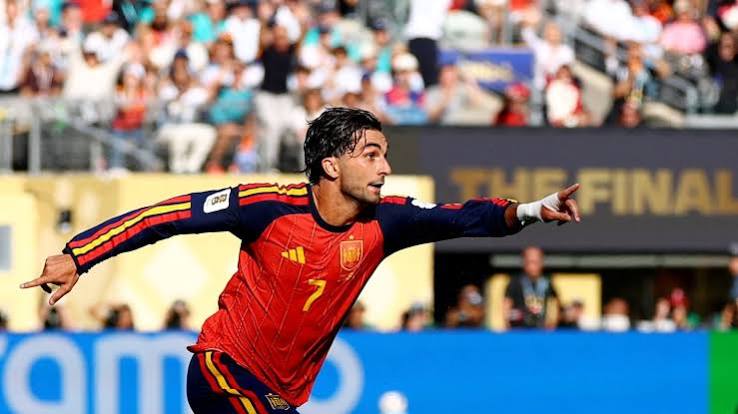
The landscape of international football witnessed a historic changing of the guard as Spain defeated Argentina in a dramatic extra-time thriller to lift the World Cup trophy. Entering the final as the reigning champions, Argentina looked to cement the legendary career of Lionel Messi with a perfect fairy-tale ending, but they were instead stifled by Spain’s relentless defensive press and technical dominance. The match remained deadlocked in a tactical stalemate through normal time, driven by intense physical battles that occasionally boiled over into fiery altercations between the opposing squads. The ultimate breakthrough arrived during the grueling extra-time period when Spanish forward Ferran Torres capitalized on a brilliant team build-up to strike the tournament-winning goal. The victory marks Spain’s second-ever World Cup title and ends a 16-year championship drought, officially validating a sweeping coaching revolution that has completely revitalized the national team’s style of play. For Argentina, the heartbreaking defeat signaled a somber conclusion to an golden era of global dominance, leaving players and traveling fans visibly devastated on the pitch. Despite the celebratory atmosphere in Madrid and across Europe, the tournament’s conclusion drew scrutiny after FIFA data systems detected a staggering seven million abusive and racially charged comments aimed at players and staff online. Nevertheless, the sheer magnitude of the final captivated hundreds of millions of viewers worldwide, establishing this match as a historic turning point where South American dominance yielded to a brilliant new Spanish dynasty.
Global Football Power Shift Realized as Spain Defeats Argentina to Claim World Cup Title